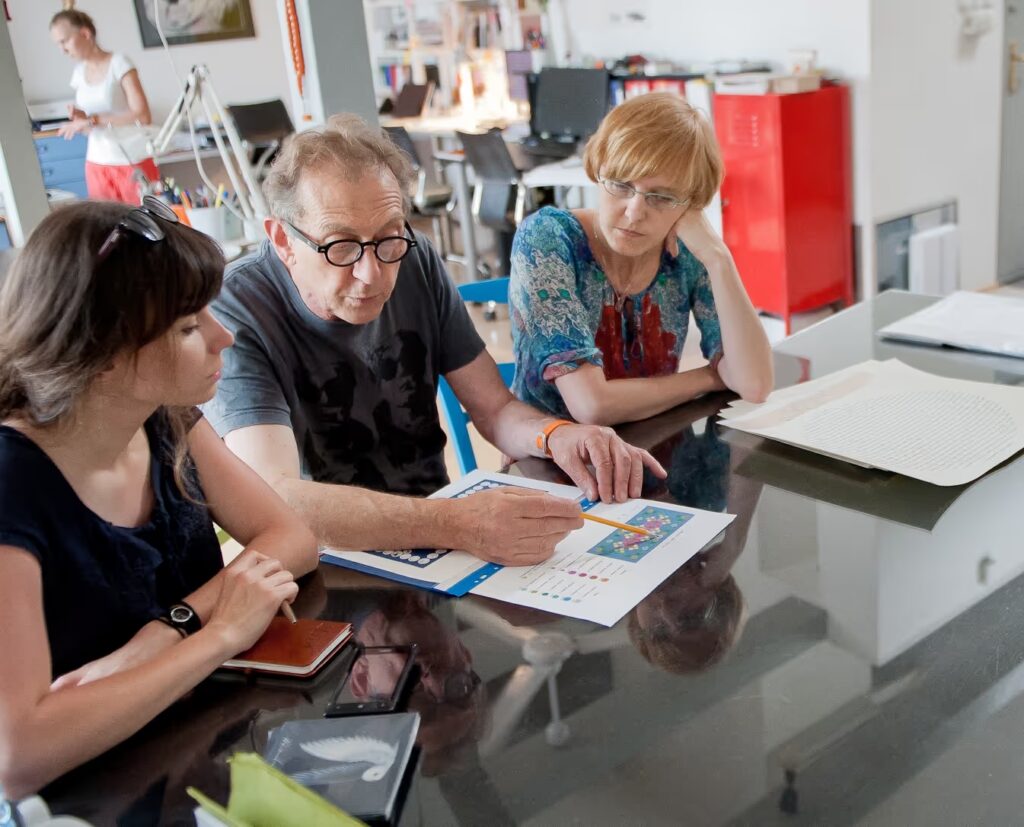
W 2014 roku obchodziliśmy 600-lecie polska-tureckich stosunków dyplomatycznych. Z okazji tego wydarzenia zostałyśmy wraz z Barbarą Bodziony zaproszone przez Marka Cecułę do wzięcia udziału w bardzo ciekawym projekcie upamiętniającym ten jubileusz.
Projekt Feast of Words stworzony przez Modus Design oraz Polskie Fabryki Porcelany Ćmielów i zakładał stworzenie artystycznej instalacji, łączącej w sobie sztukę odręcznej kaligrafii z ceramiką. Sam projekt narodził się ze współpracy z Culture.pl flagową marką Instytutu Adama Mickiewicza w Warszawie, którego głównym celem jest promocja polskiej kultury na świecie.
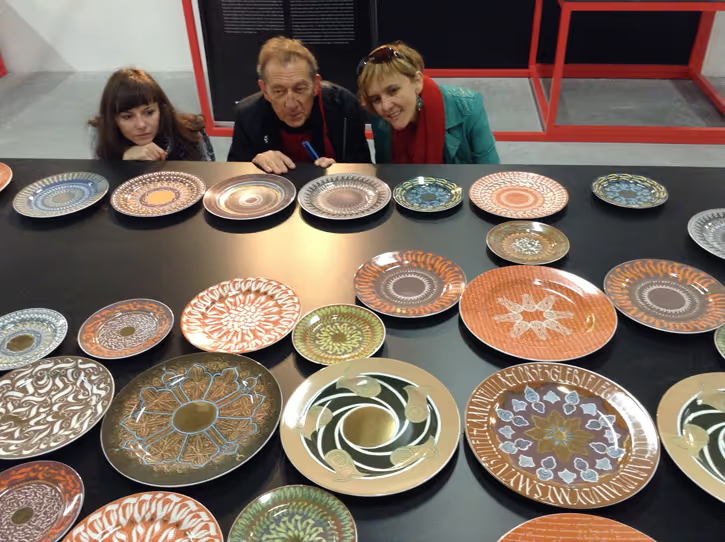
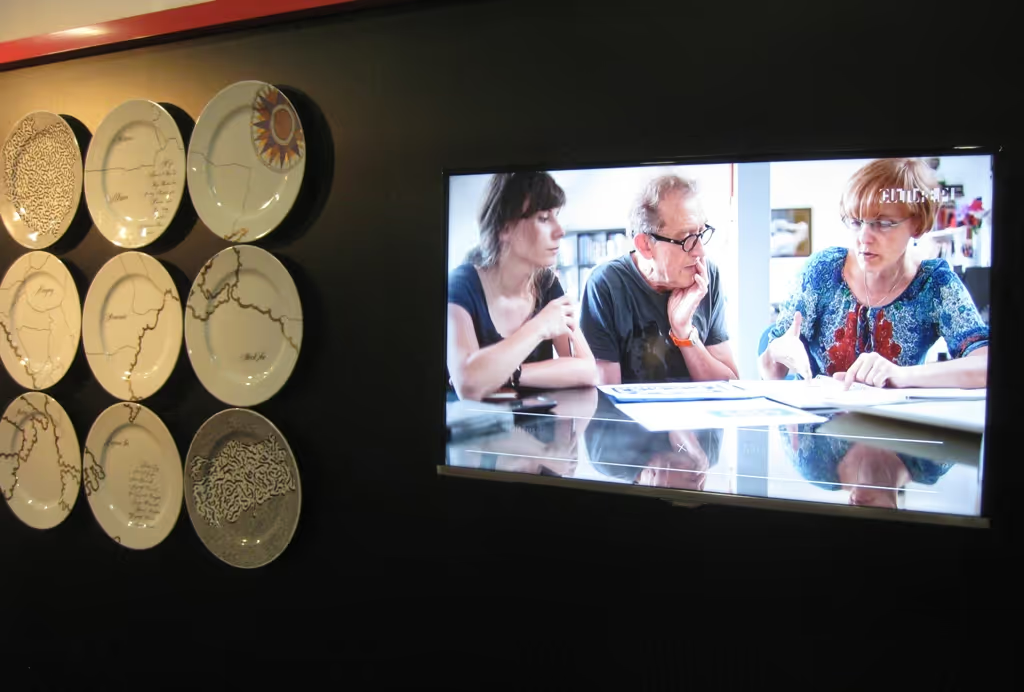
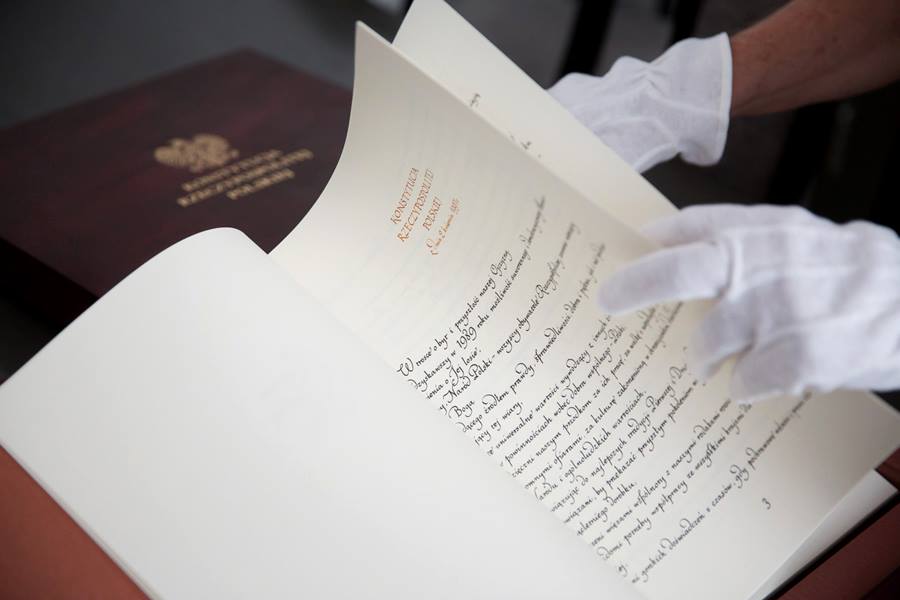
Inspiracją dla naszych wzorów powstałych w ramach projektu kaligrafii oprócz estetyki sztuki wschodniej i piękna klasycznej arabeski była także sztuka liternictwa oraz różne kroje pisma europejskiego. W ten sposób powstała instalacja o rozmiarach czterech metrów długości i dwóch metrów szerokości. Projekt składał się ze 100. ceramicznych talerzy eksponujących 23. wzory odręcznych kaligrafii, które metodą sitodruku zostały przeniesione na porcelanę. Projekt został wykończony ręcznym zdobieniem za pomocą złota.
Instalacja została zaprezentowana w 2014 roku w Istambule w ramach Istanbul Design Biennial na wystawie „Polska In Between. The Polish Design Presentation”. Wystawa była szeroką prezentacja współczesnego polskiego designu obejmująca produkt, grafikę, usługi (design thinking), przestrzeń publiczną, food design, design dla dzieci i działania konceptualne.
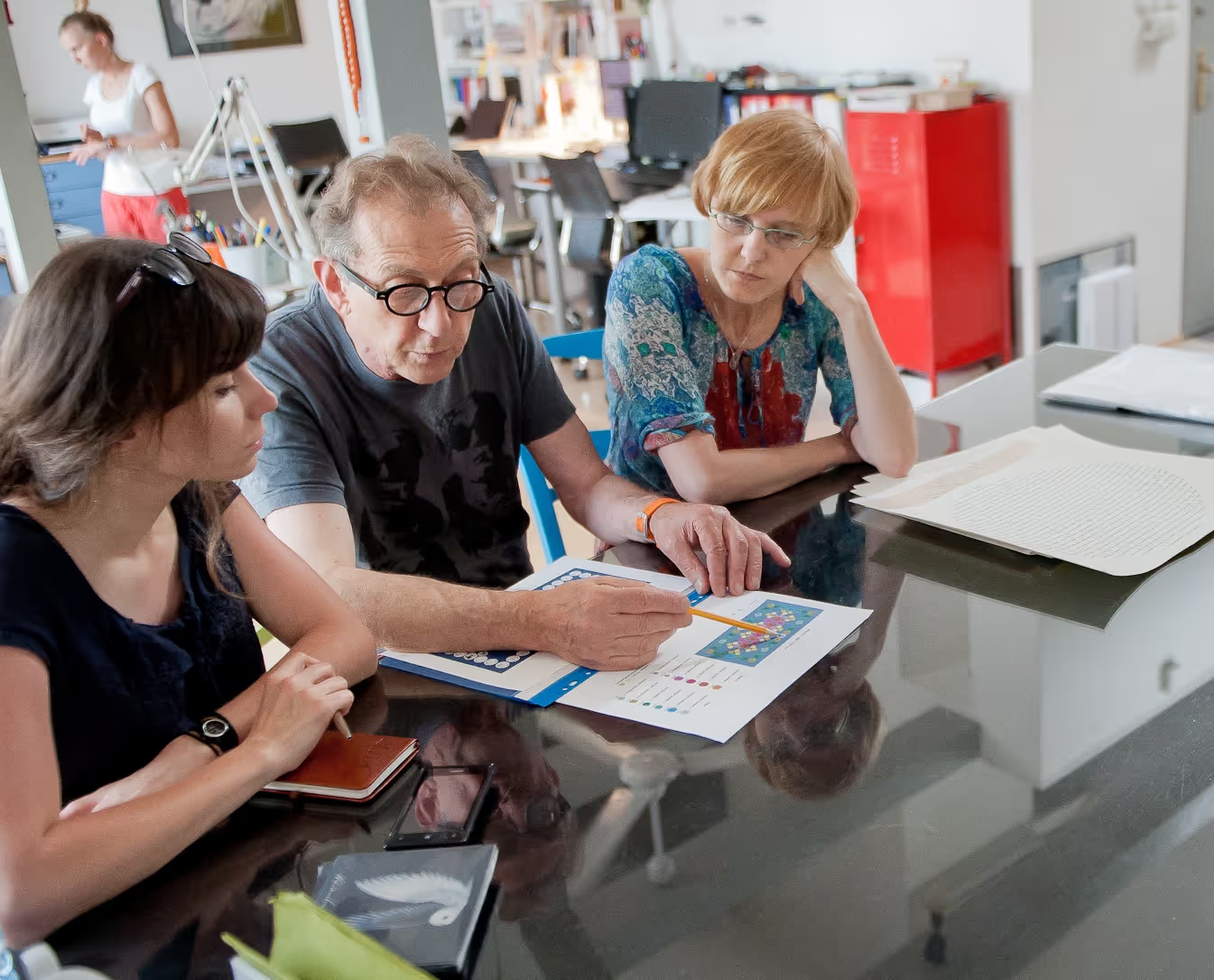
Zespół Feast of Words składał się z: polskich artystek kaligrafii Barbary Bodziony i Ewy Landowskiej, kronikarza i projektanta książki artystycznej Radosława Nowakowskiego oraz kuratora projektu „Feast of Words” Marka Cecuły.
źródło: https://barbarabodziony.pl/feast-of-words/
Six hundred years ago, or maybe even earlier, envoys began to deliver diplomatic letters and documents from Polish kings to Turkish sultans and from Turkish sultans to Polish kings. Most of them were hand written, and with no doubt were also pieces of beautiful calligraphy. However not only diplomatic documents were written during six centuries. We have many travelogues, reports, diaries, memoirs, chronicles, essays, articles, poems, maps. . . Thousands of words were written, millions of letters. The times were changing and the words were changing. And the letters, too. Words are crucial for any relations among people. So is food. Talking and eating. A feast. Yet a feast needs crockery. That’s why we’ve combined calligraphy with ceramics, with porcelain plates. Although words can build bridges between people, they can also build walls and precipices. When we don’t understand the meaning of words, we feel upset, frustrated and isolated. So we have deprived words of meaning and dispersed them into single letters, thus transformed them into sheer ornaments. Then they began to speak their own language, the universal language of abstract visual art. In Polish language words of Turkish origin are not rarities. One of them is DYWAN – a carpet. We know that Turkish divan means also a collection of poems which in former times was also a piece of beautiful calligraphy, a feast for both the spirit and the eyes. What you can see here is our divan – a ceramic carpet – a collection of porcelain plate-poems. This our interpretation of the East. This is the next stage of the never-ending “journey to the East”. The FOW team.